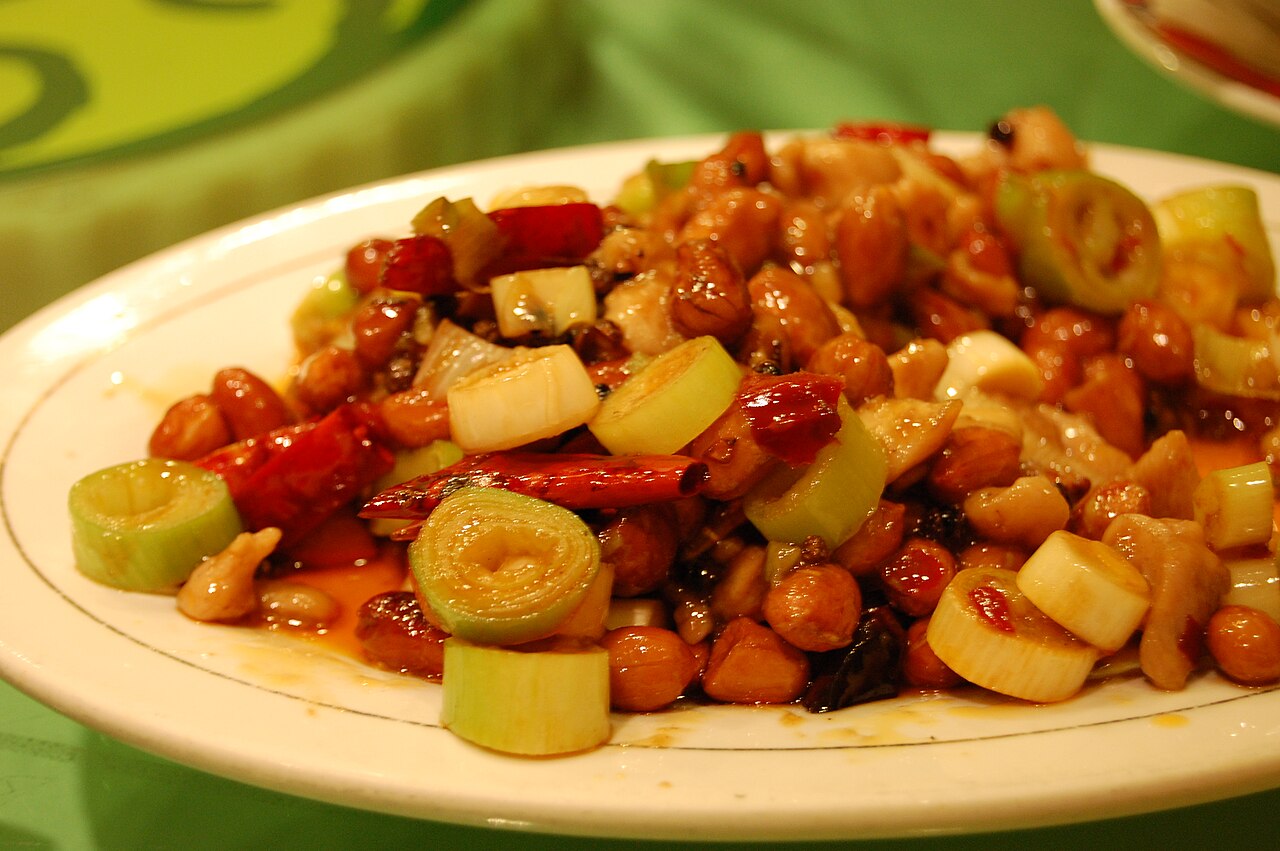
Unlocking the Irresistible Flavor of Kung Pao Chicken: A Symphony of Sweet, Spicy, and Sichuan Tingle
Few dishes captivate the palate quite like kung pao chicken. Its distinctive profile, a tantalizing dance between sweet, sour, salty, and a unique tingling heat, has cemented its place as a global favorite. While many associate it with their favorite Chinese takeout spot, the true essence of kung pao chicken lies in a complexity that hints at its rich Sichuan heritage. This article dives deep into what makes this dish so utterly addictive, from the enigmatic Sichuan pepper to the perfect balance of its iconic sauce, and why recreating it at home can elevate your culinary experience beyond expectation.
The Symphony of Sichuan: Unpacking Kung Pao's Signature Flavor Profile
At the heart of an exceptional kung pao chicken lies a masterful blend of flavors, but none is quite as iconic or transformative as the Sichuan pepper. This isn't your everyday black pepper; it's a unique spice that delivers a peculiar, almost citrusy aroma, followed by a fascinating "mala" sensation – a numbing, tingling feeling on the tongue, distinct from the pure heat of chili. This tingling allows the other complex flavors to shine through, creating a multi-dimensional experience that is both invigorating and deeply satisfying.
Beyond the "mala," the sauce itself is a carefully orchestrated balance:
- Sweetness: Often derived from sugar or a touch of honey, providing a delightful counterpoint to the heat.
- Sourness: Typically from Chinese black vinegar, which offers a robust, slightly malty tartness that is more nuanced than white vinegar. It looks surprisingly similar to balsamic but has its own distinct character.
- Saltiness and Umami: Achieved through soy sauce (light and dark for color and depth) and Chinese cooking wine, adding savory layers that form the backbone of the dish.
- Heat: Beyond the Sichuan pepper, dried chilies contribute a different kind of warmth. These aren't just about pure spice; they infuse the oil with a fragrant, smoky flavor that's crucial to the overall aroma, even if you opt to remove the seeds for less intensity.
This layering of sweet, sour, savory, and the dual spicy-numbing sensation is what truly distinguishes kung pao chicken from other stir-fries. It’s a dish that demands attention from every taste bud, delivering an explosion of big, bold flavors in every bite.
Beyond the Takeout Box: Why Homemade Kung Pao Chicken Reigns Supreme
While the convenience of takeout is undeniable, the satisfaction and quality of a homemade kung pao chicken are on another level. Recreating this classic in your own kitchen offers a plethora of advantages:
- Unparalleled Freshness & Quality Control: You choose the freshest ingredients, from crisp-tender vegetables to high-quality chicken. This control allows you to avoid additives and tailor the dish to your dietary preferences.
- Customization is King: Love extra veggies? Want to adjust the spice level? Crave more peanuts? At home, you're the chef. This freedom makes kung pao chicken a fantastic "fridge clean-out" meal, allowing you to toss in whatever fresh produce you have on hand that needs using up.
- Tailored Flavor Profile: Authentic kung pao chicken, particularly in its Sichuan roots, tends to be a drier stir-fry with a more intense "mala" and less sweetness than many Americanized versions. When you cook at home, you can calibrate the sweetness, sourness, and the intensity of the Sichuan tingle to perfectly match your personal preference.
- Cost-Effectiveness: Enjoying a restaurant-quality meal without the restaurant price tag is always a win. Making it yourself means a delicious meal that's often significantly lighter on your wallet.
Embracing the homemade approach not only saves money but delivers a culinary experience that often surpasses even your most beloved takeout. For a detailed guide on making it at home, check out our article: Homemade Kung Pao Chicken: Delicious, Easy, & Better Than Takeout.
The Essential Ingredients: Your Kung Pao Toolkit
To truly unlock the magic of kung pao chicken, understanding and sourcing the key ingredients is paramount. These components, though some may seem exotic, are increasingly available in most mainstream Asian markets or online.
Chicken: Thighs for Tenderness, Breast for Versatility
Most recipes lean towards boneless, skinless chicken thighs for their inherent juiciness and flavor. However, if you prefer chicken breast or tenderloin, a simple Chinese restaurant technique can ensure tenderness: marinate the diced chicken with a pinch of baking soda (bi-carb) along with other marinade ingredients. This subtly tenderizes the meat, preventing it from drying out during the quick stir-fry.
Sichuan Pepper: The Numbing Star
This is non-negotiable for true kung pao chicken. Sichuan pepper (also known as flower pepper or prickly ash) provides that signature lemony, piney aroma and the distinctive numbing-tingling sensation. You can find it whole or pre-ground. While freshly grinding whole peppercorns offers a slightly more vibrant flavor, finely pre-ground Sichuan pepper is convenient and avoids potential gritty bits. If you absolutely cannot find it, white pepper can offer a distant, less complex substitute, but be aware that you'll miss the unique "mala" experience.
Dried Chilies: Fragrance and Controlled Heat
Often small, red, and elongated, dried chilies contribute crucial flavor and a different kind of heat than Sichuan pepper. They add a smoky depth to the oil when fried, creating an aromatic base for the dish. Remember that chili spiciness can vary wildly, even within the same type. Always taste a small piece if unsure. For less heat, remove the seeds before cooking. Even if you're not a fan of intense spice, don't skip them entirely; they are vital for infusing the sauce with their characteristic flavor.
Chinese Black Vinegar: The Dark Horse of Tang
This dark, slightly sweet, and pungent vinegar is key to the sauce's sour dimension. It's often compared to balsamic vinegar due to its color and some flavor notes, but it has a unique character that is essential for authentic Chinese dishes. Look for brands like Chinkiang vinegar.
Chinese Cooking Wine (Shaoxing Wine): Depth of Flavor
Shaoxing wine is an indispensable ingredient in Chinese cooking, adding complexity and aroma. If you need a substitute, dry sherry can work in a pinch, or for an alcohol-free alternative, chicken broth with a tiny dash of vinegar.
The Sauce Thickener: Cornstarch
Cornstarch (or cornflour) is used to create a glossy, thick sauce that clings beautifully to the chicken and vegetables. Because kung pao chicken sauce is intensely flavored, you don't need a lot of it; a small amount goes a long way, especially when mixed with fluffy jasmine rice.
Understanding these ingredients is a vital step in appreciating the journey of this dish, which has evolved significantly from its Sichuan origins to become a global favorite. Discover more about its fascinating history in Kung Pao Chicken: From Sichuan Roots to Weeknight Favorite.
Tips for Achieving Kung Pao Perfection
With the right ingredients, a few simple techniques can elevate your homemade kung pao chicken from good to extraordinary:
- Mise en Place is Key: Stir-fries are fast! Have all your ingredients chopped, measured, and ready to go before you even turn on the stove. This prevents frantic scrambling and ensures everything cooks evenly.
- High Heat is Your Friend: A smoking hot wok or large skillet is crucial for achieving that characteristic stir-fry char and for cooking the chicken and vegetables quickly without overcooking.
- Don't Overcrowd the Pan: Cook the chicken in batches if necessary to avoid steaming. Overcrowding lowers the pan's temperature, leading to grey, steamed meat instead of beautifully seared pieces.
- Balance is Everything: Taste your sauce and adjust. A good kung pao chicken is about harmony. If it's too sweet, add more vinegar or a pinch of salt. Too salty? A touch more sugar or water can help.
- The Perfect Accompaniment: Serve your kung pao chicken over a bed of freshly steamed jasmine rice. The mild, aromatic rice perfectly complements the intense flavors of the stir-fry, absorbing the delicious sauce without overwhelming it.
- Peanuts for Crunch: Don't forget the roasted peanuts! They add a delightful textural contrast and nutty flavor that completes the dish.
The journey to mastering kung pao chicken at home is a rewarding one, promising a dish that is far more flavorful and satisfying than any takeout alternative. By understanding its core components and embracing a few simple cooking principles, you can consistently create a meal that delights the senses with its complex sweet, spicy, and unforgettable Sichuan tingle.
