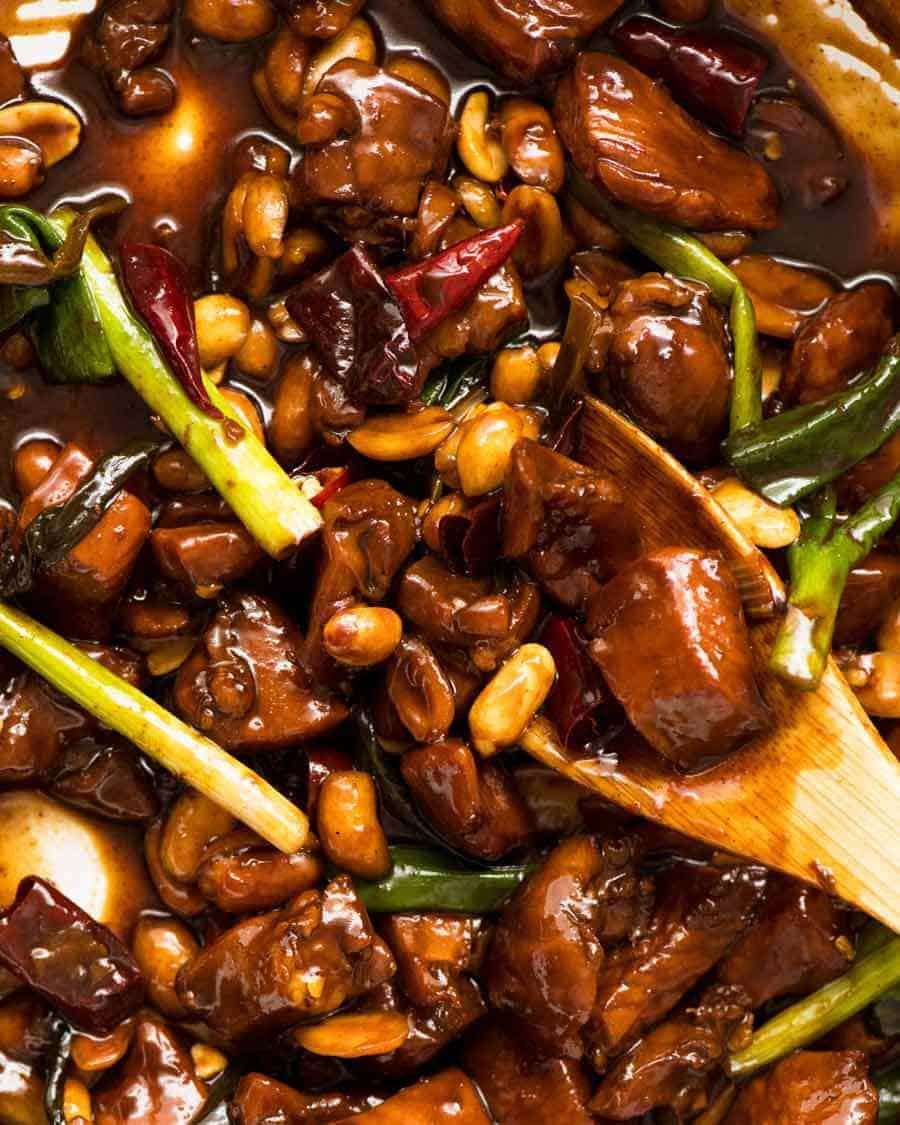
Homemade Kung Pao Chicken: Your New Takeout Favorite, Made Easy
There's nothing quite like the irresistible allure of a good Chinese takeout meal. The aroma alone can kickstart a craving that’s hard to ignore. But what if we told you that your beloved **kung pao chicken** – with its perfect symphony of sweet, sour, salty, and spicy flavors – could be even better, and far more satisfying, when made in your own kitchen? Forget the expensive delivery fees and the mystery ingredients; crafting this iconic dish at home is not only delicious and surprisingly easy, but it also gives you complete control over every mouth-watering bite. Get ready to ditch the takeout menu and discover the joy of homemade **kung pao chicken** that rivals, and often surpasses, anything you can order.
Why Homemade Kung Pao Chicken Is a Game-Changer
The appeal of takeout is undeniable: convenience. But that convenience often comes with a hefty price tag and a compromise on quality. Making **kung pao chicken** at home transforms it from an occasional indulgence into a weeknight-friendly staple. Here’s why it’s a game-changer:
*
Cost-Effective: You’ll be amazed at how much money you save by preparing this dish yourself. A single takeout order often costs as much as, or more than, the ingredients for a full family meal at home.
*
Freshness and Quality Control: When you cook at home, you choose the freshest chicken, crispest vegetables, and highest quality pantry staples. No more wondering about the source or age of your ingredients. This control allows you to select organic options, reduce sodium, or adjust sugar levels to your preference.
*
Customization Galore: This is perhaps one of the biggest benefits. Do you prefer more spice? Add extra dried chilies. Love a particular vegetable? Toss it in! Homemade **kung pao chicken** is incredibly versatile. It’s a fantastic way to utilize lingering vegetables in your fridge – bell peppers, zucchini, carrots, snow peas, or even broccoli florets can all find a happy home in this stir-fry, making it a "clean out the fridge" culinary hero.
*
Unbeatable Flavor: While takeout can be good, homemade brings a depth and vibrancy of flavor that’s often lost in mass production. You get to experience the nuanced interplay of ingredients at their peak, resulting in a dish that truly pops.
*
Dietary Adaptability: Managing allergies or specific dietary needs? Cooking at home means you can easily substitute ingredients, ensure gluten-free options are used, or adjust spice levels for sensitive palates.
The satisfaction of creating such a flavorful and impressive dish from scratch is an experience unto itself. It transforms a simple meal into a culinary adventure.
The Signature Flavor Profile: What Makes Kung Pao Chicken Unique?
At its heart, **kung pao chicken** is a stir-fry that masterfully balances a complex array of flavors: sweet, sour, salty, and umami, all punctuated by a distinct and addictive heat. This isn't just any spicy stir-fry; it's the specific elements that come together to create that unforgettable taste.
While many popular versions of **kung pao chicken** found in American Chinese restaurants lean towards a sweeter, stickier sauce, the dish’s true heritage lies in Sichuan cuisine in China. Authentic Sichuan versions are often dryer, more layered, and less swimming in sauce, focusing intensely on the interplay of complex spices. Our homemade approach allows us to bridge this gap, delivering a dish that is deeply flavorful and satisfying, with a nod to its traditional roots without being overly complex for the home cook. For a deeper dive into its rich history, check out
Kung Pao Chicken: From Sichuan Roots to Weeknight Favorite.
The glossy, thick sauce is achieved with a cornstarch slurry, giving it that characteristic cling to the tender marinated chicken, crunchy peanuts, and crisp-tender vegetables. But what truly sets **kung pao chicken** apart are two star ingredients:
*
Sichuan Peppercorns: This is the secret weapon, the ingredient that elevates **kung pao chicken** from a good stir-fry to an extraordinary one. Sichuan peppercorns don't deliver a "hot" spiciness like chili peppers; instead, they create a unique "ma la" sensation – a tingling, numbing, almost lemony warmth that dances on your tongue. It's an electrifying feeling that makes you crave more. While whole peppercorns can be used (and traditionally are), finely ground Sichuan pepper offers convenience and a smoother texture. If you grind your own, be prepared for tiny, flavorful grit; pre-ground is often finer. A good substitute in a pinch, though lacking the numbing quality, would be white pepper. To truly understand its magic, read more at
Unlock Kung Pao's Flavor: Sichuan Pepper, Sweet, & Spicy Tingle.
*
Dried Chilies: These add a deeper, more robust flavor and a different kind of heat than Sichuan pepper. They're essential for the overall taste profile, even if you prefer less heat. Most of the intense spiciness resides in the seeds, so for a milder kick, simply remove them before cooking. Remember that the potency of dried chilies can vary widely, so always taste them if you’re unsure, and adjust the quantity to your preference. Even if you don't eat them, their presence in the oil infuses the sauce with crucial flavor.
*
Chinese Black Vinegar: Often compared to balsamic vinegar due to its dark color, Chinese black vinegar (Chinkiang vinegar) has a distinct savory, slightly sweet, and tangy profile. It provides a crucial sour note that balances the sweetness and spice in the sauce, adding depth and complexity.
*
Chinese Cooking Wine (Shaoxing Wine): This imparts a subtle, aromatic depth to the marinade and sauce. If you don’t have it, a dry sherry or even chicken broth can be a reasonable substitute, though the flavor profile will be slightly different.
Mastering the Technique: Tips for Perfect Kung Pao Chicken
Making this delicious **kung pao chicken** isn't complicated, but a few simple techniques can elevate your results to restaurant quality.
1.
Chicken Choice and Tenderizing:
*
Chicken Thighs: Many chefs prefer chicken thighs for stir-fries because they are inherently juicier and more forgiving than breast meat. They hold up well to high heat and retain their moisture, resulting in a more tender bite.
*
Chicken Breast: If you opt for chicken breast, a common Chinese restaurant trick to achieve incredible tenderness is using a touch of baking soda (bi-carb). Simply toss sliced chicken breast with about 1/2 teaspoon of baking soda per pound, let it sit for 15-20 minutes, then rinse thoroughly under cold water and pat dry before marinating. This process, often called "velveting," tenderizes the meat beautifully.
*
Marination: Don't skip the marinade! A quick marinade with soy sauce, Chinese cooking wine, a little cornstarch, and sometimes an egg white helps tenderize the chicken further, infuse it with flavor, and protect it from drying out during the intense heat of stir-frying.
2.
Prep is Key (Mise en Place): Stir-fries cook incredibly fast. Before you even turn on the heat, have all your ingredients chopped, measured, and ready to go. This means your chicken marinated, your sauce mixed, your vegetables prepped, and your peanuts toasted. This organized approach ensures a smooth cooking process and prevents anything from burning while you’re scrambling for the next ingredient.
3.
Wok Hey (or High Heat): A proper stir-fry requires high heat. If you have a wok, great! If not, a large, heavy-bottomed skillet or cast-iron pan will work well. Get your oil smoking hot before adding the chicken, ensuring a quick sear and minimal sticking. Cook the chicken in batches if necessary to avoid overcrowding the pan, which lowers the temperature and steams the chicken instead of searing it.
4.
Building the Sauce: The sauce is the soul of your **kung pao chicken**. Mix all the sauce ingredients in a bowl beforehand. This ensures a consistent flavor and prevents lumps when adding cornstarch. Add it to the hot pan only after your chicken and vegetables are cooked, allowing it to thicken quickly to a glossy finish.
5.
The Peanuts: Add the peanuts right at the end, just before serving. This preserves their crunch and prevents them from becoming soggy in the sauce.
When serving your homemade **kung pao chicken**, pile it high over fluffy jasmine rice to soak up all that incredible sauce. A sprinkle of fresh green onions or cilantro can add a burst of freshness and color.
Conclusion
There you have it – the definitive guide to creating extraordinary homemade **kung pao chicken** that's not only delicious and easy but also a step above your usual takeout. By understanding the unique interplay of flavors, mastering a few simple techniques, and embracing the freedom of customization, you can transform a weeknight meal into a culinary triumph. So next time that craving hits, skip the phone call, grab your wok, and treat yourself to the incredible satisfaction of a truly magnificent **kung pao chicken**, made with love right in your own kitchen.