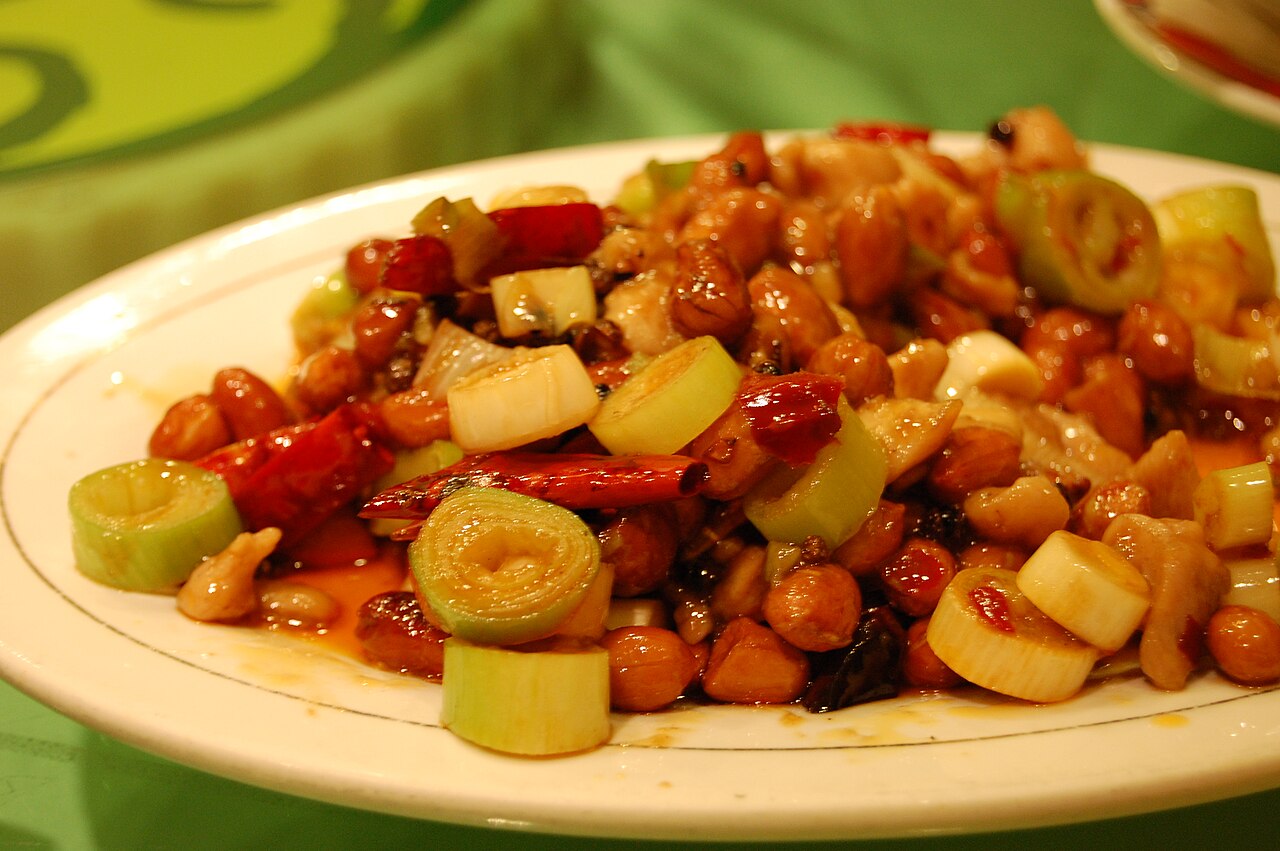
Kung Pao Chicken: From Sichuan Roots to Weeknight Favorite
Few dishes ignite the senses quite like Kung Pao Chicken. This beloved stir-fry, with its vibrant colors, tender morsels of chicken, crunchy peanuts, and an intoxicating sweet-sour-spicy sauce, has journeyed from the bustling kitchens of Sichuan, China, to become a global culinary phenomenon. For many, it's the quintessential Chinese takeout order, a reliable comfort on a busy night. Yet, the true magic of Kung Pao Chicken lies not just in its availability, but in the incredible satisfaction of recreating its complex flavors right in your own kitchen.
Imagine a dish that effortlessly balances bold, tangy-spicy notes with a hint of sweetness, all while offering a satisfying textural interplay of crisp-tender vegetables and succulent chicken. That's the promise of homemade Kung Pao Chicken. While we all cherish the convenience of takeout, the ability to whip up a version that rivals—and often surpasses—your local spot, all while controlling ingredients and costs, is truly liberating. It’s a fantastic way to satisfy those cravings, clean out your fridge with a medley of veggies, and create a meal that's as nourishing as it is delicious.
The Authentic Heartbeat of Kung Pao Chicken: Sichuan Roots
To truly appreciate the global sensation that is Kung Pao Chicken, we must first journey back to its origins in Sichuan cuisine. This regional Chinese culinary tradition is renowned for its bold, complex flavors, particularly the iconic "ma la"—a combination of numbing (麻, má) and spicy (辣, là) sensations. Authentic Sichuan Kung Pao Chicken, or Gong Bao Ji Ding, is a testament to this philosophy, offering a symphony of tastes that are layered and incredibly nuanced.
Historically, the authentic Sichuan version is often described as a "dry stir-fry." Unlike many Westernized Asian stir-fries that swim in a generous pool of sauce, traditional Kung Pao features a remarkably intense, concentrated sauce that clings to every ingredient. This allows the distinct flavors of the marinated chicken, roasted peanuts, and essential aromatics to shine through, creating an experience that is both robust and refined. The sweet, sticky dishes found in many American Chinese restaurants, while undeniably delicious, are a delicious departure from the layered complexity of its Sichuan forebear. The global journey of Kung Pao Chicken has seen it evolve, adapting to local palates and available ingredients, but its spicy, savory, and slightly sweet heart remains constant.
Mastering the Signature Kung Pao Flavor Profile
What makes Kung Pao Chicken unmistakably Kung Pao? It's the sauce—an explosion of big, bold flavors that dance on your palate. This signature sauce is a masterful blend of sweet, sour, savory, and, most importantly, the distinctive tingling heat from Sichuan pepper. This unique spice is the secret ingredient that elevates Kung Pao from a mere stir-fry to an unforgettable culinary experience.
The Magic of Sichuan Pepper
Sichuan pepper is not a chili pepper, and its "spiciness" is unlike the fiery heat of capsaicin. Instead, it delivers a unique citrusy, almost lemony flavor, followed by a numbing, tingling sensation on the tongue. This "ma la" effect prepares the palate, making the other flavors in the dish more vibrant and addictive. While whole Sichuan peppercorns can be used for a more rustic texture and intense burst of flavor, many home cooks and even some restaurants opt for pre-ground Sichuan pepper for convenience and a smoother sauce. If you're curious to dive deeper into this fascinating ingredient, you can Unlock Kung Pao's Flavor: Sichuan Pepper, Sweet, & Spicy Tingle.
Dried Chillies: Beyond Just Heat
Alongside Sichuan pepper, dried chillies are crucial to the Kung Pao sauce. These aren't just for heat; they infuse the oil with a smoky, fruity depth that is integral to the dish's character. The level of spiciness can be easily adjusted by how many chillies you use and whether you remove the seeds (where most of the heat resides). Even if you're not a fan of intense heat, don't skip them entirely; their flavor contribution is invaluable. Simply use fewer, or remove the seeds, and enjoy their aromatic gifts.
Chinese Black Vinegar and Other Essentials
Another key player in the sauce is Chinese black vinegar. With its dark color and complex, slightly sweet and malty flavor, it often draws comparisons to balsamic vinegar, though it possesses its own distinct character. Combined with soy sauce (for umami and saltiness), a touch of sugar (for sweetness), and often Chinese cooking wine (for depth and aroma, with readily available substitutes), these ingredients form the harmonious base. The sauce is typically thickened with cornstarch (or cornflour), giving it that desirable glossy finish that perfectly coats the chicken and vegetables.
From Takeout Treat to Weeknight Triumph: Why Make Kung Pao at Home?
The allure of making Kung Pao Chicken at home extends far beyond mere cost savings. It's about taking control, customizing to your heart's content, and experiencing a level of freshness and satisfaction that even the best takeout can struggle to match. It’s a genuinely Homemade Kung Pao Chicken: Delicious, Easy, & Better Than Takeout experience.
- Customization is King: Love extra veggies? Want to dial up the spice? Prefer chicken thighs over breast? Making it at home gives you complete freedom. You can toss in whatever vegetables you love or happen to have on hand – bell peppers, zucchini, carrots, or snap peas all work beautifully. It's truly a weeknight-friendly way to clean out the fridge!
- Freshness and Quality: You choose the freshest ingredients, from tender chicken to crisp vegetables and high-quality sauces. This control ensures a superior taste and allows you to avoid additives or excessive oil sometimes found in commercial preparations.
- Dietary Control: For those with dietary restrictions or health goals, homemade Kung Pao allows you to manage sodium levels, sugar content, and even make it gluten-free with appropriate substitutions.
- The Joy of Creation: There's immense satisfaction in preparing a restaurant-quality meal from scratch. The aroma filling your kitchen, the sizzle of the wok, and the proud moment of serving your own creation are all part of the experience.
- Speed and Efficiency: While it seems daunting, many homemade Kung Pao Chicken recipes are surprisingly quick and easy. With a little mise en place (prep work), you can have this flavorful dish on the table in under 30 minutes, making it a perfect solution for busy weeknights.
Essential Ingredients and Expert Tips for Your Best Kung Pao
Achieving that perfect balance in your homemade Kung Pao Chicken comes down to a few key ingredients and smart techniques.
Choosing Your Chicken
For the most succulent results, many chefs and home cooks swear by chicken thigh. Its higher fat content keeps it juicy and tender, even under high heat stir-frying. However, if you prefer chicken breast or tenderloin, a common Chinese restaurant technique involves "velveting" the chicken. This simple process uses a marinade often containing baking soda (bicarbonate of soda), cornstarch, and a touch of liquid, which tenderizes the meat beautifully, resulting in a silky texture.
Beyond Chicken: Proteins and Veggies
While chicken is traditional, feel free to experiment with other proteins like tofu, shrimp, or even beef for a twist. As for vegetables, the beauty of homemade Kung Pao is its adaptability. Classic additions include diced bell peppers, onions, and water chestnuts, but don't hesitate to incorporate broccoli florets, snow peas, or mushrooms. The key is to cut them into similar, bite-sized pieces to ensure even cooking and a harmonious bite.
The Art of the Stir-Fry
A successful stir-fry relies on high heat and constant motion. Ensure your wok or large skillet is screaming hot before adding oil and ingredients. Cook in batches if necessary to avoid overcrowding the pan, which can steam rather than sear your ingredients, leading to a less vibrant texture.
Serving Suggestions
Kung Pao Chicken is traditionally served over a bed of fluffy jasmine rice, which perfectly soaks up the intense, glossy sauce. A garnish of roasted peanuts adds essential crunch and nuttiness, while a sprinkle of fresh chopped scallions or cilantro can provide a fresh aromatic contrast.
From its complex origins in Sichuan to its simplified, yet still incredibly satisfying, iterations around the world, Kung Pao Chicken remains a culinary icon. It’s a dish that embodies balance – sweet, sour, salty, and that signature numbing heat. By understanding its roots and embracing a few key techniques, you can easily transform this takeout favorite into a triumphant, flavorful, and incredibly rewarding weeknight meal at home. So, gather your ingredients, fire up your wok, and prepare to embark on a delicious journey with every bite of your homemade Kung Pao Chicken.
